PIPELINE

OVERVIEW
Telisotuzumab adizutecan (ABBV-400, Temab-A) is an investigational drug under clinical development. Safety and efficacy have not been established.
Temab-A—A c-Met antibody-drug conjugate (ADC)— is designed to target c-Met by deploying a payload of topoisomerase inhibitor. It is being investigated in colorectal cancer (CRC), non-small cell lung cancer (NSCLC), gastroesophageal adenocarcinoma (GEA), ovarian cancer, head and neck squamous cell carcinoma, and MET-amplified solid tumors.
PROPOSED MECHANISM OF ACTION
The protein, mesenchymal-epithelial transition factor (c-Met), which is also known as MET protein, AUTS9, RCCP2, DFNB97, and hepatocyte growth factor receptor (HGFR), is essential for the survival and function of normal cells.1
In numerous cancers, the MET gene, which encodes the protein c-Met, is either amplified or mutated to constantly activate its downstream signaling pathways to sustain rapid proliferation and survival of cancer cells. In NSCLC, both c-Met and HGF are over-expressed relative to the adjacent normal lung tissues.1
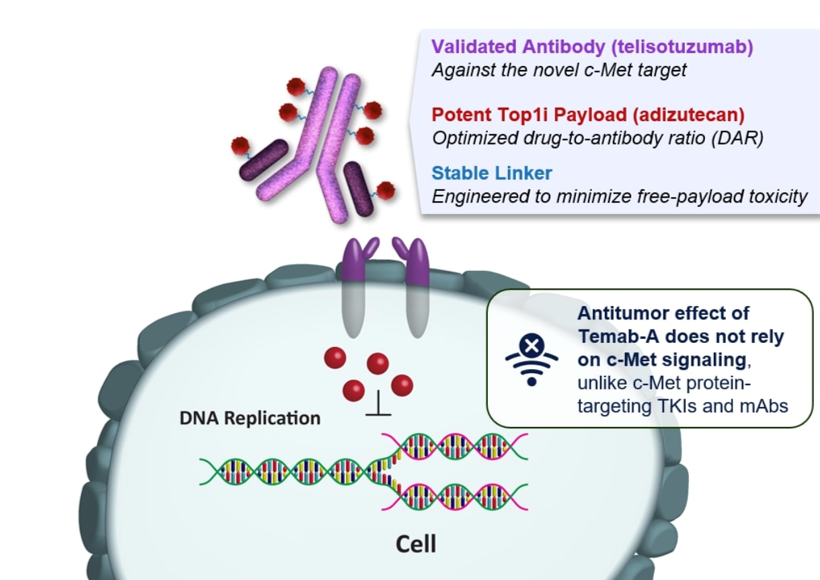
The mechanism of action of c-Met ADCs involves three steps: binding to c-Met protein on the cell surface, internalizing of ADC/c-Met receptor complexes, and releasing the cytotoxic payload within the cytosol to damage cells.
Temab-A delivers topoisomerase inhibitors to c-Met protein expressing cells, which inhibits DNA replication; this helps stop cell proliferation and ultimately lead to cell death.
Clinical relevance of proposed mechanism and structure activity relationships is under investigation.
DEVELOPMENT
Temab-A is being investigated to treat CRC, NSCLC, GEA, ovarian cancer, head and neck squamous cell carcinoma, and MET-amplified solid tumors.
CLINICAL TRIALS
View select clinical trials with Temab-A now. To view a full list of clinical trials in which Temab-A is being investigated, please visit ClinicalTrials.gov.
- Park KC, Richardson DR. The c-MET oncoprotein: function, mechanisms of degradation and its targeting by novel anti-cancer agents. Biochim Biophys Acta Gen Subjs. 2020;1864(10):129650

Proposed mechanism of action
Learn how Temab-A targets c-Met to deliver a topoisomerase inhibitor to overexpressing cells, which inhibits DNA replication.

Colorectal Cancer
Advanced Solid Tumors
Non-Small Cell Lung Cancer
Gastroesophageal Adenocarcinoma
MET-amplified Solid Tumors
Pancreatic Ductal Adenocarcinoma
Ovarian Cancer
Head and neck squamous cell carcinoma
Ovarian Cancer
Head and neck squamous cell carcinoma
*Dot represents active clinical development.










OVERVIEW
Azirkitug (ABBV-514) is an investigational drug under clinical development. Safety and efficacy have not been established.
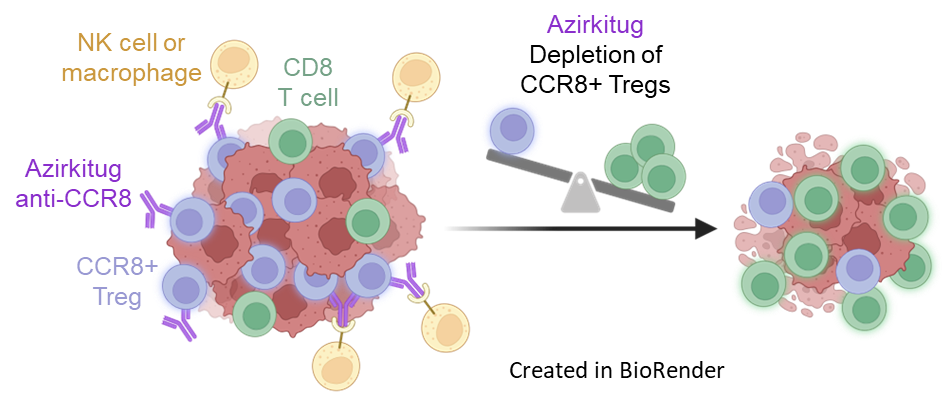
Azirkitug is an anti-chemokine C-C motif receptor 8 (CCR8) antibody that is being investigated for the treatment of advanced solid tumors both as a single agent and in combination with a PD-1 inhibitor.
PROPOSED MECHANISM OF ACTION
CCR8 is a chemokine receptor that has been previously associated with chemotaxis and cell/cell interactions in the context of T-helper type 2 cell responses and T-cell trafficking to the skin1-2. Within tumors, regulatory T-cells (Tregs) are a key immunosuppressive cell population known to prevent antitumor immune responses; high intratumoral Treg levels have been associated with negative outcomes in several cancers.3-5 CCR8 is overexpressed in Tregs found in the tumor microenvironment(TME) and is upregulated in tumor tissues, including HNSCC, NSCLC, and colorectal cancer (CRC).6-8 CCR8 is preferentially expressed on tumor-infiltrating Tregs and correlates with poor prognosis in both NSCLC and CRC patients.7
DEVELOPMENT
Azirkitug is being investigated in a Phase 1 trial for advanced solid tumors.
CLINICAL TRIALS
View select clinical trials with azirkitug now. To view a full list of clinical trials in which azirkitug is being investigated, please visit ClinicalTrials.gov.
References
- Chensue SW, Lukacs NW, Yang TY, et al. Aberrant in vivo T helper type 2 cell response and impaired eosinophil recruitment in CC chemokine receptor 8 knockout mice. J Exp Med. 2001;193:573-584.
- Schaerli P, Ebert L, Willimann K, et al. A skin-selective homing mechanism for human immune surveillance T cells. J Exp Med. 2004;199:1265-1275.
- Shang B, Liu Y, Jiang SJ, et al. Prognostic value of tumor-infiltrating FoxP3+ regulatory T cells in cancers: a systematic review and meta-analysis. Sci Rep. 2015;5:15179.
- Fridman WH, Zitvogel L, Sautes-Fridman C, et al. The immune contexture in cancer prognosis and treatment. Nat Rev Clin Oncol. 2017;14(12):717-34.
- Bruni D, Angell HK, Galon J. The immune contexture and Immunoscore in cancer prognosis and therapeutic efficacy. Nat Rev Cancer. 2020;20(11):662-80.
- Meng L, et al. CCR4, CCR8, and P2RY14 as prognostic factors in head and neck squamous cell carcinoma are involved in the remodeling of the tumor microenvironment. Front Oncol. 2021;11:618187.
- De Simone M, et al. Transcriptional landscape of human tissue lymphocytes unveils uniqueness of tumor-infiltrating t regulatory cells. Immunity. 2016;45:1135-1147.
- Plitas G, Konopacki C, Wu K, et al. Regulatory T cells exhibit distinct features in human breast cancer. Immunity. 2016;45(5):1122-34.

Advanced Solid Tumors
*Dot represents active clinical development.

OVERVIEW
ABBV-706 is an investigational drug under clinical development. Safety and efficacy have not been established.
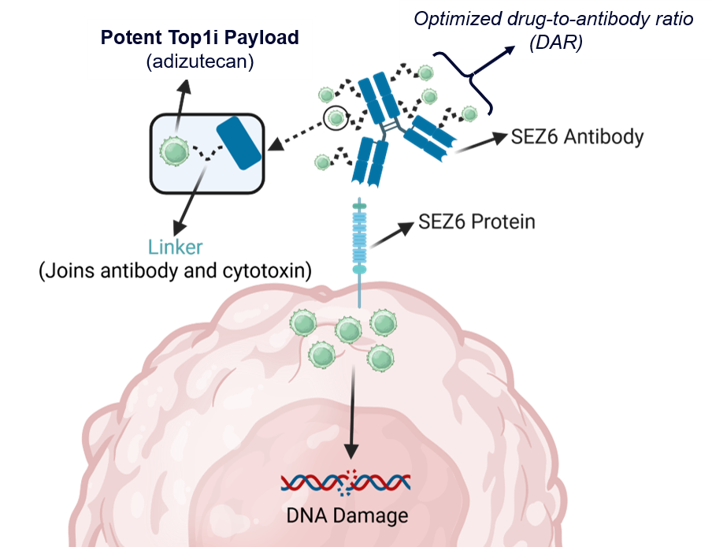
ABBV-706 is a SEZ6-targeted antibody-drug conjugate (ADC) being investigated in advanced solid tumors, including small cell lung cancer (SCLC), CNS tumors, and neuroendocrine tumors/carcinomas (NETs/NECs).
PROPOSED MECHANISM OF ACTION
Seizure-related homolog 6 (SEZ6) is a transmembrane protein found on the cell surface of select neuronal lineage cells.1,2
SEZ6 is highly expressed in small-cell lung cancer (SCLC) and other neuroendocrine neoplasms (NENs) including high-grade neuroendocrine tumors (NETs)/neuroendocrine carcinomas (NECs), and central nervous system (CNS) tumors and has limited expression in normal tissues outside of the blood-brain barrier.3 SEZ6 is highly expressed on SCLC tumor cells, and its expression is stable across SCLC disease stages and lines of therapy.6,7 SEZ6 was chosen as a target for the development of novel ADCs carrying payloads designed to kill neuroendocrine tumor cells.4 ABBV-706 targets cells expressing SEZ6, is internalized, and delivers a cell killing topoisomerase 1 inhibitor (Top1i) adizutecan payload. 5
DEVELOPMENT
ABBV-706 is being investigated in Phase 2 and 3 trials for SCLC and in Phase 1 trials for the treatment of advanced solid tumors, including central nervous system (CNS) tumors and neuroendocrine tumors (NETs)/neuroendocrine carcinomas (NECs).
CLINICAL TRIALS
View select clinical trials with ABBV-706 now. To view a full list of clinical trials in which ABBV-706 is being investigated, please visit ClinicalTrials.gov.
- Shimizu-Nishikawa K, et al. Cloning and characterization of seizure-related gene, SEZ-6. Biochem Biophys Res Commun. 1995;216(1):382-9.
- Gunnersen JM, et al. Sez-6 proteins affect dendritic arborization patterns and excitability of cortical pyramidal neurons. Neuron. 2007;56(4):621-39.
- Kudoh S, et al. Significance of achaete-scute complex homologue 1 (ASCL1) in pulmonary neuroendocrine carcinomas; RNA sequence analyses using small cell lung cancer cells and Ascl1-induced pulmonary neuroendocrine carcinoma cells. Histochem Cell Biol. 2020;153(6):443-456.
- Wiedemeyer WR et al. ABBV-011, A Novel, Calicheamicin-Based Antibody–Drug Conjugate, Targets SEZ6 to Eradicate Small Cell Lung Cancer Tumors. Mol Cancer Ther. 2022;21:986-98.
- Faivre E, et al. ABBV-706 is a novel SEZ6-targeted topoisomerase 1 inhibitor ADC for SCLC and other neuroendocrine cancers. AACR annual meeting 2024. Abstract #3148.
- Ajay A, et al. Assessment of targets of antibody drug conjugates in SCLC. NPJ Precis Oncol. 2025;9(1):1.
- Byers LA, et al. SEZ6-targeting antibody-drug conjugate ABBV-706 in advanced small cell lung cancer and solid tumors: a phase 1 trial. Nat Med. 2026. doi: 10.1038/s41591-026-04452-0.

ABBV706 Mechanism of Action Video (v2.0)
Learn how ABBV-706 targets tumor cells expressing SEZ6, is rapidly internalized, and delivers a tumor cell killing topoisomerase 1 inhibitor (TOP1i) payload

Central Nervous System tumors
Neuroendocrine Tumors/Carcinomas
Small Cell Lung Cancer
*Dot represents active clinical development.





mCRPC
*Dot represents active clinical development.


Hepatocellular Carcinoma
Squamous cell NSCLC
*Dot represents active clinical development.


OVERVIEW
IMGN151 is an investigational drug under clinical development. Safety and efficacy have not been established.
IMGN151 is a folate receptor alpha (FRα)-targeting antibody-drug conjugate in development for the treatment of ovarian and endometrial cancer. IMGN151, comprises an asymmetric, bivalent, biparatopic antibody targeting two independent epitopes of FRα, linked to a maytansinoid derivative DM51 via a cleavable tri-peptide linker. The average drug per antibody ratio is 3.5.
PROPOSED MECHANISM OF ACTION1,2
FRα is a member of a family of cell-surface glycoproteins that facilitate the transport and accumulation of folate, through endocytosis, into cells. FRα is overexpressed in multiple epithelial cancers including ovarian and endometrial and has limited expression on normal tissues.1
IMGN151 comprises an asymmetric, bivalent, biparatopic antibody targeting two independent epitopes of FRα, linked to a maytansinoid derivative DM51 via a cleavable tri-peptide linker. The average drug per antibody ratio is 3.5. 2,3
The clinical relevance of structure activity relationships has not been established.
DEVELOPMENT
IMGN151: DM21 Biparatropic FRα Antibody-Drug Conjugate is being investigated in a Phase 1 trial for the treatment of ovarian and endometrial cancer.
CLINICAL TRIALS
View select clinical trials with IMGN151: DM21 Biparatropic FRα Antibody-Drug Conjugate now. To view a full list of clinical trials in which IMGN151: DM21 Biparatropic FRα Antibody-Drug Conjugate is being investigated, please visit ClinicalTrials.gov.
- Elnakat H, Ratnam M. Distribution, functionality and gene regulation of folate receptor isoforms: Implications in targeted therapy. Adv Drug Deliv Rev. 2004;56:1067-1084.
- National Cancer Institute (NIH). NCI Drug Dictionary: anti-Fra/DM21 ADC IMGN151 (accessed July 2024):
https://www.cancer.gov/publications/dictionaries/cancer-drug/def-opugotamig-olatansine - Lau J, et al. LC-MS based catabolite identification study of an ADC with DM21-C, a novel maytansinoid linker-payload. Abstract 538. AACR 2019.

Ovarian Cancer

Endometrial Cancer

OVERVIEW
Mirvetuximab soravtansine-gynx (MIRV, IMGN-853) is an approved drug being investigated for additional uses. Safety and efficacy have not been established for these additional uses.
Mirvetuximab soravtansine-gynx (MIRV, IMGN-853) is an antibody-drug conjugate (ADC) designed to target folate receptor alpha (FRa).
PROPOSED MECHANISM OF ACTION6,7
FRα is overexpressed in ovarian cancer and has minimal expression on normal tissues. MIRV is an ADC comprised of a humanized anti-FRa monoclonal antibody (M9346A) linked to a cytotoxic effector molecule, the maytansinoid DM4.1,2 MIRV binds with high affinity and specificity to FRa, which upon antigen binding, promotes ADC internalization and intracellular release of DM4.3 Through its ability to inhibit tubulin polymerization and disrupt microtubule assembly, DM4 serves as a potent antimitotic agent to induce cell cycle arrest and apoptosis.4 Preclinically, MIRV has exhibited antitumor activity against FRa-expressing tumors, including models of ovarian cancer and NSCLC.5 In vitro, MIRV can display cytotoxic activity against cells situated near FRa-positive cells (bystander cytotoxic activity). This bystander activity can also affect neighboring healthy cells.5
DEVELOPMENT
MIRV is being investigated in platinum-sensitive ovarian cancer as a single agent and in combination with carboplatin and/or bevacizumab.
MIRVETUXIMAB SORAVTANSINE-GYNX INDICATION AND SAFETY INFORMATION (US PRESCRIBING INFORMATION)8
Indication:
- Mirvetuximab soravtansine-gynx is indicated for the treatment of adult patients with folate receptor-alpha (FRα) positive, platinum-resistant epithelial ovarian, fallopian tube, or primary peritoneal cancer, who have received one to three prior systemic treatment regimens. Select patients for therapy based on an FDA-approved test.
Boxed Warning OCULAR TOXICITY:
- Mirvetuximab soravtansine-gynx can cause severe ocular toxicities, including visual impairment, keratopathy, dry eye, photophobia, eye pain, and uveitis.
- Conduct an ophthalmic exam including visual acuity and slit lamp exam prior to initiation of mirvetuximab soravtansine-gynx, every other cycle for the first 8 cycles, and as clinically indicated.
- Administer prophylactic artificial tears and ophthalmic topical steroids.
- Withhold mirvetuximab soravtansine-gynx for ocular toxicities until improvement and resume at the same or reduced dose.
- Discontinue mirvetuximab soravtansine-gynx for Grade 4 ocular toxicities.
Warning and Precautions
- Ocular disorders: Mirvetuximab soravtansine-gynx can cause severe ocular adverse reactions, including visual impairment, keratopathy (corneal disorders), dry eye, photophobia, eye pain, and uveitis.
Ocular adverse reactions occurred in 59% of patients with ovarian cancer treated with mirvetuximab soravtansine-gynx. Eleven percent (11%) of patients experienced Grade 3 ocular adverse reactions, including blurred vision, keratopathy (corneal disorders), dry eye, cataract, photophobia, and eye pain; two patients (0.3%) experienced Grade 4 events (keratopathy and cataract). The most common (≥5%) ocular adverse reactions were blurred vision (48%), keratopathy (36%), dry eye (27%), cataract (16%), photophobia (14%), and eye pain (10%).
The median time to onset for first ocular adverse reaction was 5.1 weeks (range: 0.1 to 68.6). Of the patients who experienced ocular events, 53% had complete resolution; 38% had partial improvement (defined as a decrease in severity by one or more grades from the worst grade at last follow up). Ocular adverse reactions led to permanent discontinuation of mirvetuximab soravtansine-gynx in 1% of patients.
Premedication and use of lubricating and ophthalmic topical steroid eye drops during treatment with mirvetuximab soravtansine-gynx are recommended. Advise patients to avoid use of contact lenses during treatment with mirvetuximab soravtansine-gynx unless directed by a healthcare provider.
Refer patients to an eye care professional for an ophthalmic exam including visual acuity and slit lamp exam prior to treatment initiation, every other cycle for the first 8 cycles, and as clinically indicated. Promptly refer patients to an eye care professional for any new or worsening ocular signs and symptoms.
Monitor for ocular toxicity and withhold, reduce, or permanently discontinue mirvetuximab soravtansine-gynx based on severity and persistence of ocular adverse reactions. - Pneumonitis: Severe, life-threatening, or fatal interstitial lung disease (ILD), including pneumonitis, can occur in patients treated with mirvetuximab soravtansine-gynx.
Pneumonitis occurred in 10% of patients treated with mirvetuximab soravtansine-gynx, including 1% with Grade 3 events and 1 patient (0.1%) with a Grade 4 event. One patient (0.1%) died due to respiratory failure in the setting of pneumonitis and lung metastases. One patient (0.1%) died due to respiratory failure of unknown etiology. Pneumonitis led to permanent discontinuation of mirvetuximab soravtansine-gynx in 3% of patients.
Monitor patients for pulmonary signs and symptoms of pneumonitis, which may include hypoxia, cough, dyspnea, or interstitial infiltrates on radiologic exams. Infectious, neoplastic, and other causes for such symptoms should be excluded through appropriate investigations. Withhold mirvetuximab soravtansine-gynx for patients who develop persistent or recurrent Grade 2 pneumonitis until symptoms resolve to ≤ Grade 1 and consider dose reduction. Permanently discontinue mirvetuximab soravtansine-gynx in all patients with Grade 3 or 4 pneumonitis. Patients who are asymptomatic may continue dosing of mirvetuximab soravtansine-gynx with close monitoring. - Peripheral neuropathy: Peripheral neuropathy occurred in 36% of patients with ovarian cancer treated with mirvetuximab soravtansine-gynx across clinical trials; 3% of patients experienced Grade 3 peripheral neuropathy. Peripheral neuropathy adverse reactions included peripheral neuropathy (20%), peripheral sensory neuropathy (9%), paraesthesia (6%), neurotoxicity (3%), hypoaesthesia (1%), peripheral motor neuropathy (0.9%), polyneuropathy (0.3%), and peripheral sensorimotor neuropathy (0.1%). Monitor patients for signs and symptoms of neuropathy, such as paresthesia, tingling or a burning sensation, neuropathic pain, muscle weakness, or dysesthesia. For patients experiencing new or worsening PN, withhold dosage, dose reduce, or permanently discontinue mirvetuximab soravtansine-gynx based on the severity of PN.
- Embryo-fetal toxicity: Based on its mechanism of action, mirvetuximab soravtansine-gynx can cause embryo-fetal harm when administered to a pregnant woman because it contains a genotoxic compound (DM4) and affects actively dividing cells. Advise pregnant women of the potential risk to a fetus. Advise females of reproductive potential to use effective contraception during treatment with mirvetuximab soravtansine-gynx and for 7 months after the last dose.
Adverse Reactions
- The most common (≥20 %) adverse reactions, including lab abnormalities, were increased aspartate aminotransferase, fatigue, increased alanine aminotransferase, blurred vision, nausea, increased alkaline phosphatase, diarrhea, abdominal pain, keratopathy, peripheral neuropathy, musculoskeletal pain, decreased lymphocytes, decreased platelets, decreased magnesium, decreased hemoglobin, dry eye, constipation, decreased leukocytes, vomiting, decreased albumin, decreased appetite, and decreased neutrophils.
Drug Interactions
- DM4 is a CYP3A4 substrate. Closely monitor patients for adverse reactions with mirvetuximab soravtansine-gynx when used concomitantly with strong CYP3A4 inhibitors.
Use in Specific Populations
- Lactation: Advise women not to breastfeed during treatment with mirvetuximab soravtansine-gynx and for 1 month after the last dose.
- Hepatic Impairment: Avoid use of mirvetuximab soravtansine-gynx in patients with moderate or severe hepatic impairment (total bilirubin >1.5 ULN).
Review full US prescribing information for additional information at https://www.rxabbvie.com/
CLINICAL TRIALS
View select clinical trials with mirvetuximab soravtansine-gynx now. To view a full list of clinical trials in which mirvetuximab soravtansine-gynx is being investigated, please visit ClinicalTrials.gov.
- Lutz RJ. Targeting the folate receptor for the treatment of ovarian cancer. Transl Cancer Res. 2015;4:118-126.
- Lambert JM. Drug-conjugated antibodies for the treatment of cancer. Br J Clin Pharmacol. 2013;76:248-262.
- Erickson HK, Widdison WC, Mayo MF, et al. Tumor delivery and in vivo processing of disulfide-linked and thioether-linked antibody maytansinoid conjugates. Bioconjug Chem. 2010;21:84-92.
- Hong EE, Erickson H, Lutz RJ, et al. Design of coltuximab ravtansine, a CD19-targeting antibody-drug conjugate (ADC) for the treatment of B-Cell malignancies: structure-activity relationships and preclinical evaluation. Mol Pharm. 2015;12:1703-1716.
- Ab O, et al. IMGN853, a folate receptor-alpha (FRalpha)-targeting antibody-drug conjugate, exhibits potent targeted antitumor activity against FRalpha-expressing tumors. Mol Cancer Ther. 2015;14:1605-1613.
- Moore KN, et al. Phase 1 Dose Escalation study of mirvetuximab soravtansine (IMGN853), a folate receptor alpha targeting antibody drug conjugate, in patients with solid tumors. Cancer. 2017;123(16):3080-3087.
- Moore KN, et al. Mirvetuximab soravtansine in FRα-positive, platinum-resistant ovarian cancer. N Engl J Med. 2023;389:2162-2174.
- Elahere. US Prescribing Information. March 2024.

Advanced Ovarian Cancer
Platinum-Resistant Ovarian Cancer
Platinum-Sensitive Ovarian Cancer



OVERVIEW
Telisotuzumab vedotin (Teliso-V; ABBV-399) is a US approved drug being investigated for additional uses. Safety and efficacy have not been established for these additional uses.
Telisotuzumab vedotin (Teliso-V; ABBV-399) is an antibody-drug conjugate (ADC) designed to target c-Met protein composed of the ABT-700 (c-Met-targeting) antibody conjugated to the cytotoxic microtubule inhibitor monomethylauristatin E (MMAE) via a cleavable valine-citrulline (vc) linker.
PROPOSED MECHANISM OF ACTION
The c-Met protein (also known as MET protein) is a transmembrane receptor tyrosine kinase encoded by the MET proto-oncogene and has a single natural ligand (HGF). c-Met plays an important role in embryogenesis, organogenesis, and wound healing. c-Met has tyrosine kinase activity and is expressed on the surface of epithelial and endothelial cells. When HGF binds c-Met, it activates intracellular signaling pathways responsible for driving proliferation, cell survival, migration, and invasiveness.
MET tyrosine kinase inhibitors (TKIs) require MET amplification and/or MET activation for activity; however, as demonstrated in preclinical models, Teliso-V, an ADC designed to target c-Met protein, uses c-Met protein to deliver a cytotoxin to c-Met-protein-expressing cells, which enables cell killing regardless of reliance on MET signaling.1 The antitumor activity of MET TKIs are generally limited to a subset of patients with tumors that are driven predominately by MET signaling. Because of this, patient selection is limited to those with MET gene amplification, which is ~2%-5% of the NSCLC population and METexon14 skipping which is ~2%-4% of the NSCLC population.
The c-Met protein can also be overexpressed in non-small cell lung cancer (NSCLC) and several other solid tumor types.1 In the LUMINOSITY Phase 2 trial pre-screening samples, c-Met protein overexpression, defined as strong 3+ staining in ≥25% of tumor cells, was observed in approximately 24% of cases.7 High c-Met protein overexpression, characterized by strong 3+ staining in ≥50% of tumor cells, was found in about 14-17% of cases.8
The anti-tumor effect of Teliso-V does not rely on the c-Met signaling pathway, unlike c-Met protein TKIs and mAb.2
FDA APPROVAL
Telisotuzumab vedotin-tllv is a c-Met-directed antibody and microtubule inhibitor conjugate indicated for the treatment of adult patients with locally advanced or metastatic non-squamous non-small cell lung cancer (NSCLC) with high c-Met protein overexpression [≥50% of tumor cells with strong (3+) staining], as determined by an FDA-approved test, who have received a prior systemic therapy.
This indication is approved under accelerated approval based on overall response rate and duration of response. Continued approval for this indication may be contingent upon verification and description of clinical benefit in a confirmatory trial(s).
AbbVie continues to investigate Teliso-V in ongoing Phase 2 and Phase 3 trials in patients with previously treated c-Met-positive (by protein overexpression detected by immunohistochemistry) non-small cell lung cancer (NSCLC).
TELISOTUZUMAB VEDOTIN-TLLV INDICATION AND IMPORTANT SAFETY INFORMATION (US PRESCRIBING INFORMATION)5
INDICATION:
- Telisotuzumab vedotin-tllv is a c-Met-directed antibody and microtubule inhibitor conjugate indicated for the treatment of adult patients with locally advanced or metastatic non-squamous non-small cell lung cancer (NSCLC) with high c-Met protein overexpression [≥50% of tumor cells with strong (3+) staining], as determined by an FDA-approved test, who have received a prior systemic therapy.
- This indication is approved under accelerated approval based on overall response rate (ORR) and duration of response (DOR). Continued approval for this indication may be contingent upon verification and description of clinical benefit in a confirmatory trial(s).
WARNINGS AND PRECAUTIONS:
- Peripheral neuropathy: Telisotuzumab vedotin-tllv can cause peripheral neuropathy. In LUMINOSITY, peripheral neuropathy occurred in 51% of patients (Grade 3, 11%); this included peripheral sensory neuropathy (45%) and peripheral motor neuropathy (9%). Peripheral neuropathy led to treatment discontinuation in 13% of patients. Monitor patients for signs and symptoms of new or worsening peripheral neuropathy such as hypoesthesia, hyperesthesia, paresthesia, a burning sensation, neuropathic pain, or muscle weakness. Withhold, reduce the dose, or permanently discontinue telisotuzumab vedotin-tllv based on severity.
Interstitial lung disease (ILD)/pneumonitis: Telisotuzumab vedotin-tllv can cause severe, life-threatening, or fatal ILD/pneumonitis. In LUMINOSITY, ILD/pneumonitis occurred in 10% of patients (Grade 3, 3%; Grade 4, 0.6%) and there were 3 fatal cases. ILD/pneumonitis led to permanent discontinuation in 7% of patients. Advise patients to immediately report cough, dyspnea, fever, and/or any new or worsening respiratory symptoms. Monitor patients for signs and symptoms of ILD/pneumonitis. Withhold or permanently discontinue telisotuzumab vedotin-tllv based on severity.
Ocular surface disorders: Telisotuzumab vedotin-tllv can cause ocular surface disorders including blurred vision, visual impairment, keratitis, and dry eye. In LUMINOSITY, ocular surface disorders occurred in 25% of patients. The most common ocular surface disorders were blurred vision (15%), keratitis (11%), and dry eye (5%). Grade 3 reactions occurred in 1.2% of patients [blurred vision (1.2%) and keratitis (0.6%)]. Monitor patients during treatment. Withhold telisotuzumab vedotin-tllv and refer patients to an eye care professional for an ophthalmic exam and treatment for patients who develop Grade ≥2 ocular toxicity. Withhold or permanently discontinue treatment based on severity.
Infusion-related reactions (IRR): Telisotuzumab vedotin-tllv can cause IRR; signs and symptoms of IRR include dyspnea, flushing, chills, nausea, chest discomfort, and hypotension. In LUMINOSITY, IRR occurred in 3% of patients, including Grade 3 in 1.2% and Grade 4 in 0.6%. IRR led to permanent treatment discontinuation in 0.6% of patients. Monitor patients for signs and symptoms of infusion reactions. Withhold, reduce infusion rate, or permanently discontinue telisotuzumab vedotin-tllv based on severity. For patients who experience IRR, administer premedications prior to subsequent infusions.
- Embryo-fetal toxicity: Telisotuzumab vedotin-tllv can cause fetal harm when administered to pregnant women. Advise patients of potential risk to a fetus. Advise females of reproductive potential to use effective contraception during treatment and for 2 months after the last dose. Advise male patients to use effective contraception during treatment and for 4 month after the last dose.
ADVERSE REACTIONS:
Serious adverse reactions occurred in 35% of patients. The most common adverse reactions (≥20%) were peripheral neuropathy, fatigue, decreased appetite, and peripheral edema.
The most common Grade 3/4 lab abnormalities (≥2%) were decreased lymphocytes, increased glucose, increased alanine aminotransferase, increased gamma glutamyl transferase, decreased phosphorus, decreased sodium, decreased hemoglobin, and decreased calcium.
DRUG INTERACTIONS:
- Concomitant use of strong CYP3A inhibitors may increase AUC of MMAE. Monitor for adverse reactions.
SPECIFIC POPULATIONS:
Severe or Moderate Hepatic impairment: Avoid use of telisotuzumab vedotin-tllv.
Lactation: Advise not to breastfeed.
- Infertility: May impair fertility.
Review full prescribing information for additional information at www.rxabbvie.com or contact AbbVie Medical Information at 1-800-633-9110 or go to abbviemedinfo.com.
CLINICAL TRIALS
View select clinical trials with Teliso-V now. To view a full list of clinical trials in which Teliso-V is being investigated, please visit ClinicalTrials.gov.
References
- Wang J, Anderson MG, Oleksijew A, et al. ABBV-399, a c-Met antibody-drug conjugate that targets both MET-amplified and c-Met-overexpressing tumors, irrespective of MET pathway dependence. Clin Cancer Res. 2017;23(4):992-1000.
- Strickler JH, et al. First-in-human phase i, dose-escalation and -expansion study of telisotuzumab vedotin, an antibody–drug conjugate targeting c-Met, in patients with advanced solid tumors. J Clin Oncol. 2018;36(33):3298-3306.
- Ansell PJ, Baijal S, Liede A, et al. Prevalence and characterization of c-MET–overexpressing non-small cell lung cancer (NSCLC) across clinical trial samples and real-world patient cohorts from the City of Hope National Medical Center. Poster presented at: Cancer Research UK (CRUK) – Lung Cancer Conference. Manchester, UK; 2022.
- Liang H, Wang M. MET oncogene in non-small cell lung cancer: Mechanism of MET dysregulation and agents targeting the HGF/c-Met axis. Onco Targets Ther. 2020;13:2491-2510.
- Telisotuzumab vedotin US Prescribing Information. May 2025.
- Camidge DR, et al. Telisotuzumab vedotin monotherapy in patients with previously treated c-Met protein-overexpressing advanced non-squamous EGFR-wildtype NSCLC in the Phase 2 LUMINOSITY trial. J Clin Oncol. 2024. doi:10.1200/JCO.24.00720.
- Girard N, et al. JTO Clin Res Rep. 2026;7(7):100988.
- Data on file, ABVRRTI81961. AbbVie, Inc.

NSCLC

OVERVIEW
ABBV-1480 (RC148) is an investigational drug under clinical development. Safety and efficacy have not been established.
ABBV-1480 (RC-148) is an IgG1 bispecific antibody targeting PD1 and VEGF being investigated to treat non-small cell lung cancer (NSCLC), small cell lung cancer (SCLC), colorectal cancer (CRC), and other solid tumors.
PROPOSED MECHANISM OF ACTION
ABBV-1480 (RC-148) is a humanized IgG1 silenced bispecific antibody that combines an anti-VEGF nanobody with an anti-PD-1 antibody to simultaneously inhibit angiogenesis and the PD-1 immune-checkpoint.1,2 Dual targeting of PD‑1 checkpoint and VEGF pathway within a single molecule may lead to synergistic efficacy and improved tumor microenvironment modulation.1
The nanobody heavy-chain variable domain (VHH) format has superior stability and is a more compact structure as compared to the single-chain variable fragment (scFv) format.3 By binding to PD-1, the interaction between PD-1 and its ligands are blocked, preventing downregulation of the immune response through reduced T-cell proliferation, reduced cytokine production, and reduced survival.4 By binding VEGF, the interaction between VEGF and its receptors are blocked, preventing angiogenesis and immunomodulation of the tumor microenvironment (TME) through PLCγ, PI3K, and RAS pro-angiogenic signaling and stimulation of regulatory T-cells (Tregs) and tumor associated macrophages (TAMs).5 Taken together, by targeting both PD-1 and VEGF, ABBV-1480 (RC148) may lead to anti-tumor efficacy through immune cell stimulation, infiltration and anti-angiogenic effects. ABBV-1480 (RC148) demonstrated monotherapy anti-tumor efficacy in a humanized and syngeneic mouse model.2
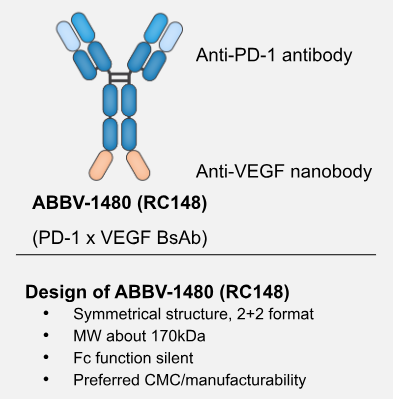
DEVELOPMENT
ABBV-1480 (RC148) is being investigated for the treatment of NSCLC in monotherapy and in combination with chemotherapy. In addition, multiple Phase 3 trials in China and globally are ongoing.
ABBV-1480 (RC148) is exclusively licensed from RemeGen.
CLINICAL TRIALS
View select clinical trials with ABBV-1480 (RC148) now. To view a full list of clinical trials in which ABBV-1480 (RC-148) is being investigated, please visit ClinicalTrials.gov.
Fang J, et al. Abstract 2734. AACR 2024.
Asaadi Y, et al. Biomarker Research (2021) 9:87.
Ott, PA, et al. Clin Cancer Res. 2013.
Zhao Y, et al. Int J Biol Sci. 2022 May 29;18(9):3845-3858.

ABBV-1480 proposed MOA. See the role of ABBV-1480 in inhibiting PD-1 checkpoint and VEGF pathway in solid tumors.

NSCLC

OVERVIEW
ABBV-901 is an investigational drug under clinical development. Safety and efficacy have not been established.
ABBV-901 is a folate receptor-alpha (FRα)-targeted antibody-drug conjugate (ADC) with a topoisomerase 1 inhibitor payload being investigated in ovarian cancer.
PROPOSED MECHANISM OF ACTION
FRα is a member of a family of cell-surface glycoproteins that facilitate the transport and accumulation of folate, through endocytosis, into cells.1 FRα is expressed in the germinal epithelium of the ovary.2 FRα is overexpressed in ovarian cancer and has minimal expression on normal tissues.3 The differential expression and transport through endocytosis makes FRα an ideal target for ADCs.4 ABBV-901 is an ADC comprised of an anti-FRα antibody conjugated to a Top1i payload.5,6
DEVELOPMENT
ABBV-901 is being investigated in a Phase 1 trial for the treatment of ovarian cancer.
CLINICAL TRIALS
View select clinical trials with ABBV-901 now. To view a full list of clinical trials in which ABBV-901 is being investigated, please visit ClinicalTrials.gov.
References
- Elnakat H, Ratnam M. Adv Drug Deliv Rev. 2004;56:1067-1084.
- Kalli KR, et al. Gynecol Oncol. 2008;108:619-626.
- Hong EE, et al. Mol Pharm. 2015;12:1703-1716.
- Ab O, et al. Mol Cancer Ther. 2015;14:1605-1613.
- Abbvie pipeline.
- Perets R ,et al. Poster 169TiP. ESMO Gynaecological Cancers Congress 2026.

Ovarian Cancer

OVERVIEW
ABBV-711 is an investigational drug under clinical development. Safety and efficacy have not been established.
DEVELOPMENT
ABBV-711 is being investigated in a Phase 1 First-in-Human trial for the treatment of advanced squamous tumors.
CLINICAL TRIALS
View select clinical trials with ABBV-711 now. To view a full list of clinical trials in which ABBV-711 is being investigated, please visit ClinicalTrials.gov.

Advanced Squamous Tumors

OVERVIEW
KST-6051 is an investigational drug under clinical development. Safety and efficacy have not been established.
KST-6051 developed by Kestrel Therapeutics. AbbVie holds an exclusive option to acquire Kestrel.

Solid Tumors

OVERVIEW
Alveltamig is an investigational drug under clinical development. Safety and efficacy have not been established.
Alveltamig developed by Suzhou Zelgen Biopharmaceuticals. AbbVie holds an exclusive option to develop and commercialize Alveltamig.

Small Cell Lung Cancer